

How Community Partnerships Improve Clinical Trial Participation?

Key Takeaways: Community partnerships connect research teams with patients who are routinely missed by standard recruitment methods. Trust, language access, and local outreach drive stronger clinical trial participation in underserved areas. Diverse enrollment produces broader, more reliable research findings. Sponsors and CROs see faster timelines and lower dropout rates when community ties are strong. Both […]
Understanding Patient Rights and Safety in Clinical Research.

Key Takeaways: Every clinical trial participant holds clear legal and ethical rights that research teams must respect at all times. Informed consent in clinical trials is not just a signature. It is an ongoing conversation between you and the research team. Independent review boards and federal regulations exist specifically to protect your safety throughout a […]
Diversity in Clinical Trials: Why It Truly Matters for Better Healthcare?
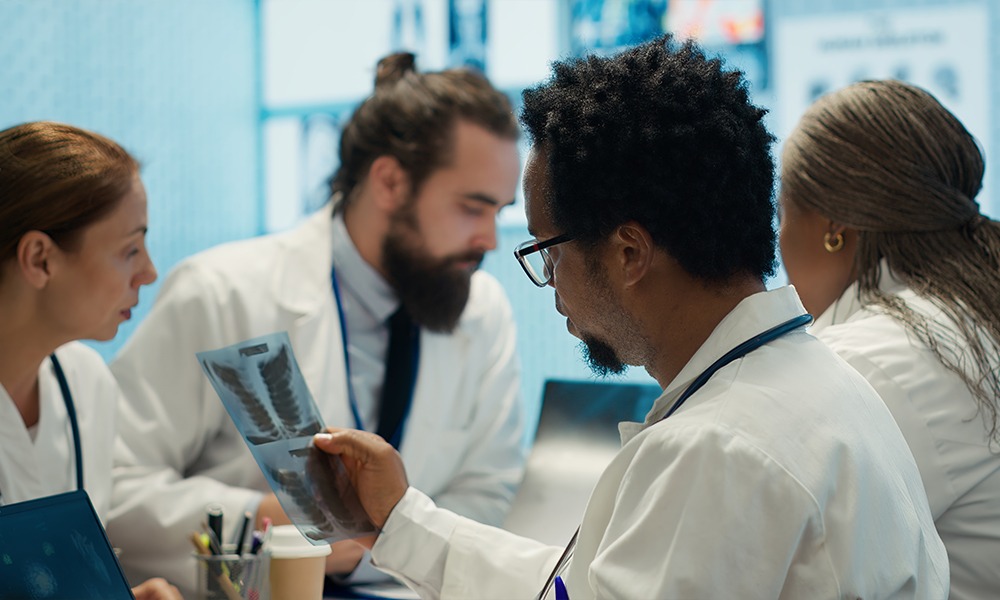
Key Takeaways: Diverse clinical trials lead to safer and more effective treatments for everyone. Underrepresentation of certain groups can result in gaps in safety and effectiveness data. Barriers like mistrust, cost, distance, and language limit participation for many communities. Inclusive research improves treatment accuracy, reduces health disparities, and strengthens trust in healthcare. The future of personalized medicine […]
Role of Principal Investigator: Responsibilities in Research & Clinical Trials.

Key Takeaways: The role of Principal Investigator (PI) centers on leadership, ethics, and scientific accountability in research. A PI designs studies, oversees safety, manages teams, and ensures accurate reporting. The role of Principal Investigator in research helps maintain scientific integrity from planning to publication. Strong leadership, ethical responsibility, and attention to detail are essential skills that make PIs central to advancing healthcare and […]
How Clinical Trials Work: A Step-by-Step Guide for First-Time Participants?

Key Takeaways: Clinical research is the process of studying health, diseases, and treatments to improve care and outcomes. Clinical trials help develop safer, more effective treatments. Trials follow strict safety and ethical standards. Participants may get early access to new treatments and close medical support. Introduction Clinical trials can sound complex, unfamiliar, or even intimidating […]
What Is Clinical Research and Why Does It Matter for Community Health?

Clinical research is the foundation of modern medicine, driving the development of investigational treatments, therapies, and medical technologies. It helps healthcare professionals understand diseases, improve patient care, and ensure that treatments are safe and effective before they reach the public. Through carefully designed clinical trials, researchers evaluate medicines, devices, and procedures, while maintaining safety standards. […]