

How to Become a Clinical Research Coordinator?
So, you want to know how to become a clinical research coordinator. Below, you will find every step laid out clearly, from education to certification to your first job offer. Key Takeaways: A bachelor’s degree in life sciences or nursing is the typical starting point for most clinical research coordinator roles. Clinical research coordination certification […]
What Does a Clinical Research Coordinator Do? Duties, Roles & Responsibilities
Clinical trials depend on more than doctors and scientists. Behind every study, a clinical research coordinator (CRC) keeps everything running. They are the backbone of the research process, and their work directly affects patient safety and data quality. Key Takeaways: A clinical research coordinator manages the day-to-day operations of a clinical trial. CRCs protect patient […]
Decentralized Clinical Trials: Benefits, Challenges & How It Works?

Key Takeaways: Decentralized clinical trials use digital tools to let patients join studies from home. They improve access for people in rural or underserved areas. Remote monitoring and e-consent make the process faster and more patient-friendly. Common challenges include data privacy concerns and tech access gaps. Regulators like the FDA are actively updating guidelines for […]
What Is Electronic Data Capture for Clinical Trials?

Clinical trials produce large amounts of patient data each day. Research teams must record that data correctly and review it quickly. Years ago, most studies relied on paper forms and manual entry. However, modern clinical trials now depend on digital systems to reduce delays and improve accuracy. Electronic Data Capture for Clinical Trials helps research […]
Roles in Clinical Research: From Coordinator to Investigator.

Key Takeaways: Clinical research depends on a team of specialized roles working together, not a single individual. Each role, from coordinator to investigator, has specific responsibilities that keep trials safe and organized. Clear communication and collaboration are essential for ensuring data accuracy and patient safety. The Principal Investigator leads the study, while supporting teams manage […]
What Is Informed Consent and Why Is It Important in Clinical Research?

Key Takeaways: Informed consent is an ongoing process focused on clear understanding, not just signing a form. It ensures participants know the study purpose, procedures, risks, and benefits before agreeing. Participation is always voluntary, and individuals can withdraw at any time without consequences. Clear communication, trust, and transparency are essential for ethical clinical research. Challenges […]
How Community Partnerships Improve Clinical Trial Participation?

Key Takeaways: Community partnerships connect research teams with patients who are routinely missed by standard recruitment methods. Trust, language access, and local outreach drive stronger clinical trial participation in underserved areas. Diverse enrollment produces broader, more reliable research findings. Sponsors and CROs see faster timelines and lower dropout rates when community ties are strong. Both […]
Understanding Patient Rights and Safety in Clinical Research.

Key Takeaways: Every clinical trial participant holds clear legal and ethical rights that research teams must respect at all times. Informed consent in clinical trials is not just a signature. It is an ongoing conversation between you and the research team. Independent review boards and federal regulations exist specifically to protect your safety throughout a […]
Diversity in Clinical Trials: Why It Truly Matters for Better Healthcare?

Key Takeaways: Diverse clinical trials lead to safer and more effective treatments for everyone. Underrepresentation of certain groups can result in gaps in safety and effectiveness data. Barriers like mistrust, cost, distance, and language limit participation for many communities. Inclusive research improves treatment accuracy, reduces health disparities, and strengthens trust in healthcare. The future of personalized medicine […]
Role of Principal Investigator: Responsibilities in Research & Clinical Trials.
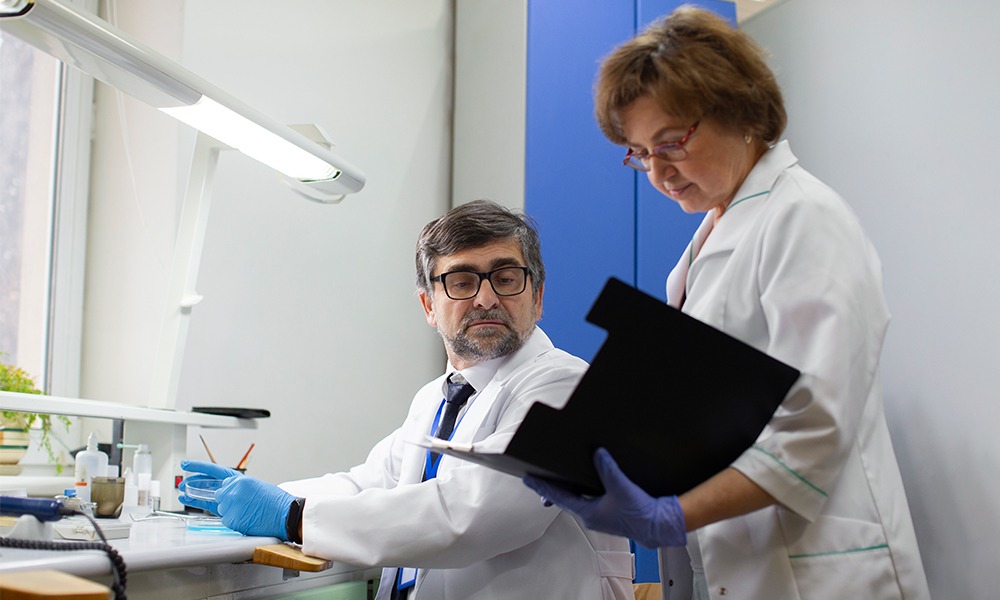
Key Takeaways: The role of Principal Investigator (PI) centers on leadership, ethics, and scientific accountability in research. A PI designs studies, oversees safety, manages teams, and ensures accurate reporting. The role of Principal Investigator in research helps maintain scientific integrity from planning to publication. Strong leadership, ethical responsibility, and attention to detail are essential skills that make PIs central to advancing healthcare and […]