

What Is Good Clinical Practice (GCP)? How It Protects Clinical Trial Participants
Key Takeaways: GCP sets the ethical and scientific standards every clinical trial must follow. Informed consent, safety monitoring, and data integrity all trace back to these requirements. Strong oversight shows its value most clearly when something goes wrong and gets caught early. Patient education closes the gap between regulatory protections on paper and what participants […]
Are Clinical Trials Safe? Understanding the Safety Measures That Protect Participants
Clinical research raises an honest question for anyone considering it: how safe is it, really? This blog breaks down the systems built to protect you at every step. Key Takeaways: Clinical trials follow strict, phase-based safety checks before wider use is approved. Informed consent gives you full control over your participation at all times. Independent […]
Health Equity in Clinical Trials: Empowering Underserved Communities in Medical Research
Key Takeaways: Health equity in clinical trials means reducing unfair barriers to research participation and improving meaningful access. Underserved communities are not one uniform group. Barriers can vary by location, income, language, health status, disability, and access to healthcare. Diversity in clinical trials can make study populations more representative of patients who may ultimately use […]
How to Participate in Clinical Trials: A Complete Guide to Clinical Trial Enrollment
Key Takeaways: Clinical trial enrollment is the process of becoming an official participant in a research study after meeting eligibility requirements. Anyone interested in participating must first complete screening to determine if a study is suitable. Informed consent ensures participants understand study procedures, risks, and responsibilities before joining. Clinical trial participants have important protections, including […]
What Are the 4 Phases of Clinical Trials? A Complete Guide
Before any new treatment reaches a pharmacy shelf, it must pass through a careful testing system. Below, you will find a simple breakdown of how that system actually works, phase by phase. Key Takeaways: Clinical trials move through four distinct phases before a treatment reaches the public. Phase 1 tests safety, Phase 2 tests effectiveness, […]
How to Become a Clinical Research Coordinator?
So, you want to know how to become a clinical research coordinator. Below, you will find every step laid out clearly, from education to certification to your first job offer. Key Takeaways: A bachelor’s degree in life sciences or nursing is the typical starting point for most clinical research coordinator roles. Clinical research coordination certification […]
What Does a Clinical Research Coordinator Do? Duties, Roles & Responsibilities
Clinical trials depend on more than doctors and scientists. Behind every study, a clinical research coordinator (CRC) keeps everything running. They are the backbone of the research process, and their work directly affects patient safety and data quality. Key Takeaways: A clinical research coordinator manages the day-to-day operations of a clinical trial. CRCs protect patient […]
Decentralized Clinical Trials: Benefits, Challenges & How It Works?

Key Takeaways: Decentralized clinical trials use digital tools to let patients join studies from home. They improve access for people in rural or underserved areas. Remote monitoring and e-consent make the process faster and more patient-friendly. Common challenges include data privacy concerns and tech access gaps. Regulators like the FDA are actively updating guidelines for […]
What Is Electronic Data Capture for Clinical Trials?

Clinical trials produce large amounts of patient data each day. Research teams must record that data correctly and review it quickly. Years ago, most studies relied on paper forms and manual entry. However, modern clinical trials now depend on digital systems to reduce delays and improve accuracy. Electronic Data Capture for Clinical Trials helps research […]
Roles in Clinical Research: From Coordinator to Investigator.
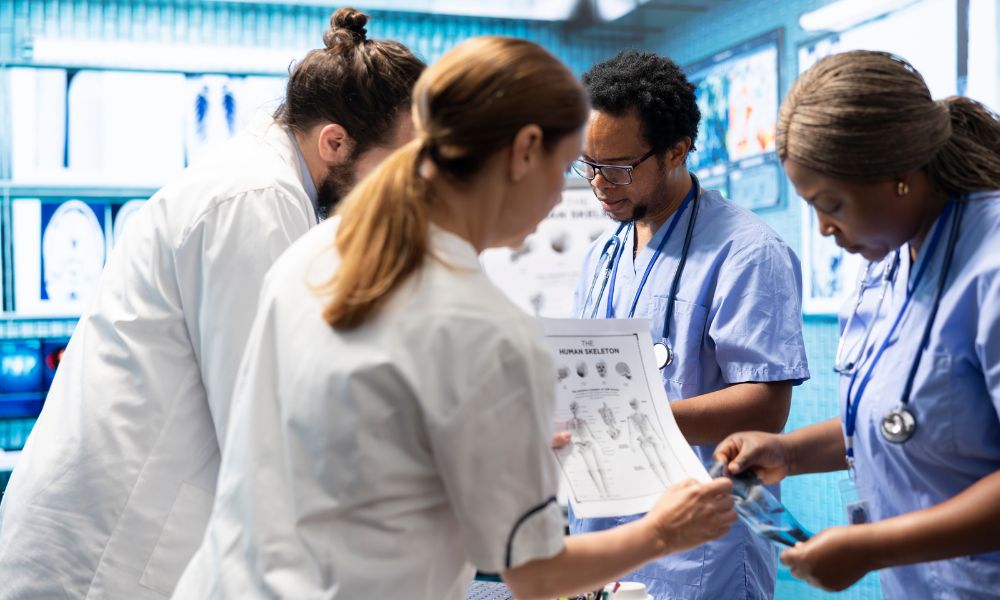
Key Takeaways: Clinical research depends on a team of specialized roles working together, not a single individual. Each role, from coordinator to investigator, has specific responsibilities that keep trials safe and organized. Clear communication and collaboration are essential for ensuring data accuracy and patient safety. The Principal Investigator leads the study, while supporting teams manage […]